
Light Requirements
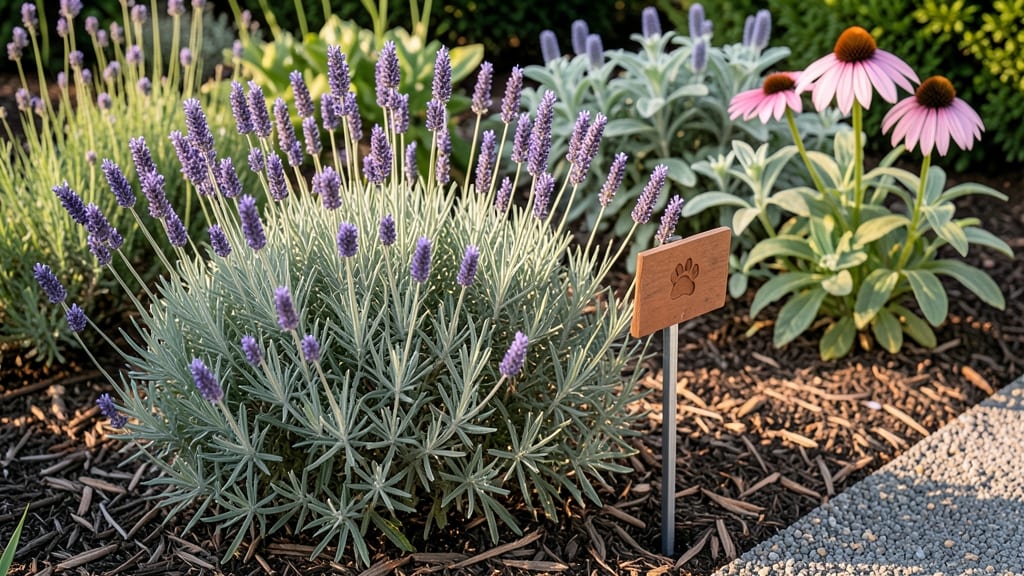
Dog-safe perennials for full sun include lavender, coneflowers, and catmint, which thrive in bright light while being non-toxic to pets. These hardy plants add color and fragrance without risking your dog’s health or garden safety.
Creating a sunlit garden that's safe for your pup means choosing plants that love the heat and won't harm curious noses. 🌞 These sun-loving perennials aren't just pet-friendly—they're also low-maintenance and drought-resistant once established.
Lavender, for example, repels fleas naturally while providing a fragrant border, while coneflowers attract pollinators without toxic appeal. The key is selecting varieties specifically labeled as non-toxic, as some plants like peonies can cause mild stomach upset despite their beauty.
I always recommend planting these in well-draining soil with at least six hours of direct sunlight daily for best results.
What sets these plants apart is their ability to thrive in harsh conditions while maintaining their pet-safe status. Many contain essential oils or compounds that deter pests, reducing the need for chemical treatments that could harm your dog.
For instance, catmint's strong scent keeps away fleas while being completely harmless if nibbled. This makes them perfect for sunny patios or foundation plantings where both you and your furry friend can enjoy the outdoors together.
💡 In This Article
- Why These Perennials Thrive in Full Sun and Pet-Friendly Gardens
- Planting and Care Tips for Full-Sun Pet Gardens
Why these perennials thrive in full sun and pet-friendly gardens
These sun-loving perennials survive intense light thanks to their deep root systems and waxy leaf coatings. Lavender, for instance, develops roots up to 3 feet deep, accessing moisture while its silvery leaves reflect 30-40% of sunlight to prevent overheating.
Coneflowers have thick, fibrous roots that store water, allowing them to endure drought conditions for up to 6 weeks without wilting. This adaptation is crucial because full sun gardens can reach temperatures of 90°F+ on hot afternoons, which would scorch less resilient plants.
The non-toxic nature of these plants stems from their lack of harmful compounds like oxalates (found in rhubarb) or alkaloids (present in foxglove). Instead, they produce essential oils that repel pests while being safe for pets.
For example, lavender's linalool oil deters fleas but is non-irritating when ingested in small amounts. Catmint contains nepetalactone, which keeps cats and dogs away from harmful plants but poses no toxicity risk. These botanical defenses make them ideal for pet gardens where chemical repellents are avoided.
What makes these perennials particularly resilient is their ability to photosynthesize efficiently under bright light. Their leaves often have a hairy or fuzzy texture (like lamb's ear) that reduces water loss through transpiration. This trait allows them to thrive in full sun without the need for constant watering.
The trade-off? Their growth may be slower in shady conditions where they wouldn't receive the 6+ hours of direct sunlight they crave daily.
Another key advantage is their pest-deterring properties. Many contain compounds that naturally repel insects while being harmless to mammals. For instance, the strong aroma of catmint contains 0.5-1% essential oils that deter aphids and spider mites.
This reduces the need for chemical treatments that could harm curious pets. The plants' vibrant colors also attract beneficial pollinators like bees and butterflies, creating a balanced ecosystem in your garden.
Consider how these traits translate to real-world gardening. In a 6-hour full sun exposure scenario, these perennials will maintain their color and structure, while less hardy varieties might develop brown edges or wilt. Their ability to thrive in poor soil conditions (pH 6.0-7.5) further simplifies maintenance.
For example, coneflowers grow well in rocky soils where many plants would struggle, making them perfect for sloped or challenging garden areas.
What most gardeners don't realize is how these plants' botanical traits interact with their pet safety. The same compounds that deter pests (like the 1-2% essential oils in lavender) are what make them non-toxic.
Unlike many ornamental plants that contain irritants to protect themselves, these perennials use scent and texture as their primary defenses. This dual functionality makes them ideal for creating both beautiful and safe outdoor spaces for pets.