
Flowers
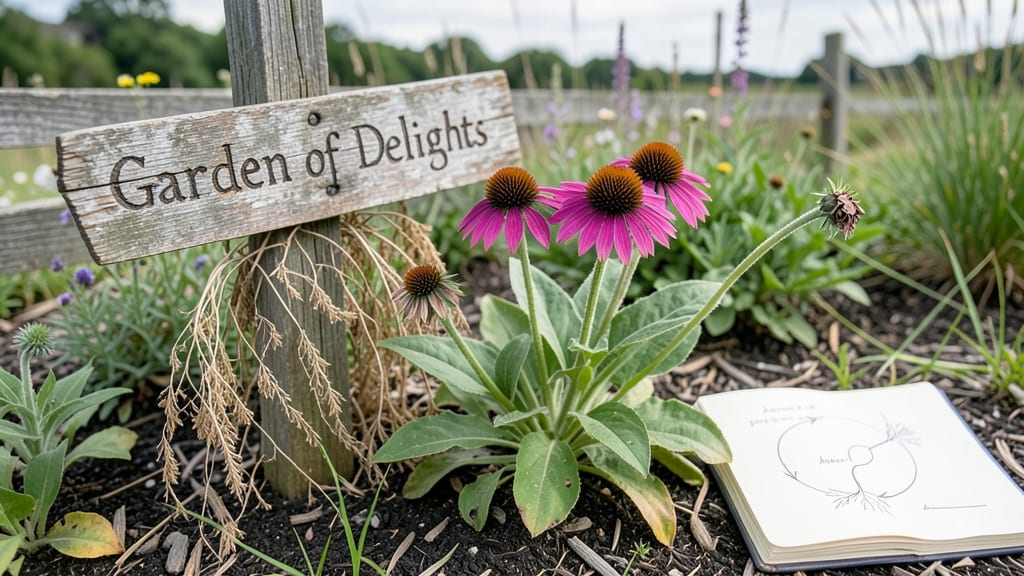
Perennial flowers do come back every year when given the right growing conditions—proper soil, adequate sunlight, and protection from harsh winters—but they may appear dormant or even dead before rebounding with new growth. Their resilience depends on factors like frost tolerance and ongoing care.
Most perennials enter a natural dormancy cycle during winter, where they conserve energy underground while their above-ground foliage withers away. 🌱 This "dieback" is perfectly normal—think of it like a hibernation phase for plants.
What sets perennials apart from annuals is their ability to regenerate from roots or crowns once temperatures rise, often producing even more vibrant blooms in subsequent years. The key is understanding your specific plant's hardiness zone and providing consistent moisture during their active growing season.
For example, black-eyed Susans and coneflowers are famously hardy perennials that may look completely spent by late fall but will surprise you with fresh foliage by early spring. The secret lies in their deep root systems, which store nutrients to fuel regrowth.
However, neglecting soil health or exposing them to extreme cold without protection can weaken their ability to bounce back.
💡 In This Article
- Why Some Perennials Die Back Before Regrowing
- How to Ensure Perennial Flowers Return Year After Year
Why some perennials die back before regrowing
The "dieback" you notice in perennials during winter isn't actually death—it's a carefully timed biological strategy called dormancy. When temperatures drop below 40°F, most perennials trigger this survival mechanism, where their above-ground growth shuts down to conserve energy.
The plant redirects nutrients to its roots and crown, effectively putting itself into a low-energy state until spring. This process is controlled by plant hormones like abscisic acid, which signals cells to stop growing and enter a protective state.
However, not all perennials handle cold equally. Their resilience depends on their hardiness zone rating (USDA zones 3-10), which determines how much frost they can tolerate.
For example, peony plants (zone 3-8) can survive -30°F winters, while tropical hibiscus (zone 10-11) will die back completely if exposed to 20°F or below. The root system's depth also matters—deeper roots (like those of daylilies) can access moisture and nutrients even when surface soil freezes.
Poor soil health accelerates dieback because roots need stored nutrients to survive dormancy.
If your soil lacks organic matter or proper drainage, roots weaken and may not have enough reserves to fuel regrowth. 🌱 Another critical factor is moisture balance—too much water can rot roots, while too little stresses them.
Even healthy perennials may show dieback if they're planted in clay-heavy soil that stays waterlogged during winter.
Disease and pests also play a role. Fungal infections like powdery mildew or root rot can weaken plants before winter, making them more susceptible to dieback. Insects such as Japanese beetles or slugs may damage foliage, reducing the plant's ability to photosynthesize and store energy.
The result? A plant that looks dead but may not have the strength to regrow in spring.
One often-overlooked factor is light exposure during winter. Evergreens like boxwood or holly lose leaves but maintain some photosynthesis, while deciduous perennials rely entirely on root reserves. If your garden has late-winter snow cover blocking sunlight for weeks, it can delay regrowth by 2-4 weeks compared to exposed plants.
Finally, even healthy perennials may take 3-6 weeks to show new growth in spring, depending on the species. This lag time is normal—it's the plant's way of waiting for soil temperatures to reach 50°F before sending up shoots.
Patience is key: what looks like failure might just be a delayed comeback.