
Orchid Care
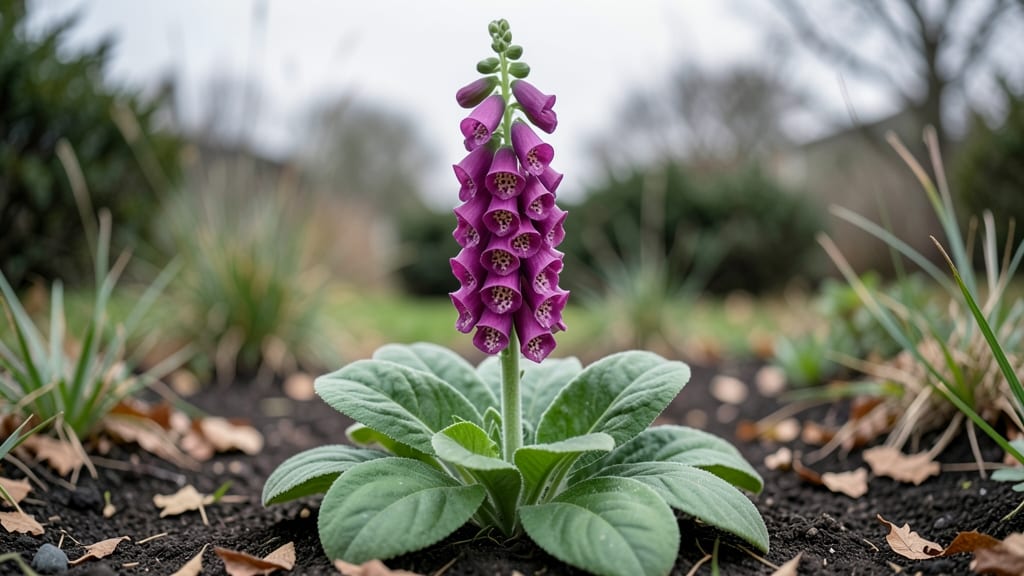
Determining whether digitalis is a perennial or annual depends on your climate: in USDA zones 4-7, it thrives as a true perennial with hardy roots that return yearly. In colder regions (below zone 4), it acts as a short-lived perennial or biennial, often needing replanting every 2-3 years for consistent blooms.
Digitalis' cold tolerance comes from its deep taproot system, which stores nutrients during winter dormancy. 🌱 In milder zones, these roots regenerate each spring, while colder climates may force the plant to complete its life cycle faster.
I've seen gardeners in zone 3 treat it as an annual for reliability, though with proper winter mulching, it can persist as a biennial. The key difference lies in how harsh your winters are—digitalis adapts its growth pattern accordingly.
For gardeners in marginal zones, I recommend planting extra seeds or cuttings every other year to maintain continuous blooms. This strategy works especially well for varieties like 'Pam's Choice' or 'Excelsior', which are prized for their towering spikes.
The plant's ability to self-seed also helps maintain its presence in garden beds, though these seedlings may not always match the parent plant's vigor.
💡 In This Article
- How Digitalis Roots Adapt to Cold Climates
- Growing Digitalis Perennially: Zone-Specific Care Tips
How digitalis roots adapt to cold climates
The secret to digitalis' cold resilience lies in its taproot system, which can extend 12-18 inches deep into the soil. These thick, fleshy roots store carbohydrates and nutrients during winter dormancy, acting like a natural battery.
Unlike shallow-rooted annuals, digitalis roots penetrate below the frost line, accessing moisture and protection from temperature fluctuations. 🌱 This deep structure allows the plant to survive temperatures as low as -20°F in zones 4-7, where the roots remain dormant but viable until spring.
Digitalis employs a two-phase survival strategy: in milder winters (20°F), the roots remain alive but inactive, while in harsher conditions (-10°F), the plant may die back completely above ground, relying entirely on its root reserves.
The root tissue contains antifreeze proteins similar to those found in cold-hardy vegetables like kale, which prevent ice crystal formation that could rupture cells.
This biological adaptation explains why digitalis often returns stronger in zone 5 after a cold winter than in zone 8 where it might struggle with summer heat.
The plant's growth cycle plasticity is fascinating—what appears as annual behavior in cold climates is actually an accelerated perennial strategy.
In zone 3, where winters average -30°F, digitalis completes its full life cycle (seed to flower to seed) in two years rather than three, producing seeds before the third winter arrives.
This biennial adaptation ensures genetic continuity even when perennial survival isn't possible. 💫 The trade-off is reduced flowering in the second year as energy shifts to seed production.
Root development timing matters critically: digitalis plants need at least 60 days of warm soil (above 50°F) to establish sufficient root mass before winter. This explains why late spring plantings often fail to overwinter—insufficient root growth leaves them vulnerable to freeze-thaw cycles.
The plant's natural range in Europe (where it thrives in zones 3-6) has shaped this precise timing requirement, giving gardeners in marginal zones a clear window for successful perennial cultivation.
An interesting exception occurs with digitalis varieties like 'Giant Candelabra', which develops secondary root clusters that create a more extensive network. These varieties show slightly better cold tolerance because the additional roots provide backup nutrient storage.
However, even these won't survive zone 2 winters without protection—demonstrating that while digitalis is remarkably adaptable, it still has biological limits. The plant's ability to adjust its growth pattern based on temperature cues is what makes it such a fascinating study in plant resilience.
What most gardeners don't realize is that digitalis' cold tolerance isn't just about surviving winter—it's about timing the regrowth perfectly.
The roots begin metabolizing stored sugars as soon as soil temperatures reach 40°F, which is why you'll often see new growth appearing in late winter or early spring even when snow still covers the ground.
This early start gives digitalis a competitive advantage over many perennials that wait for warmer conditions. 🌿