
Orchid Care
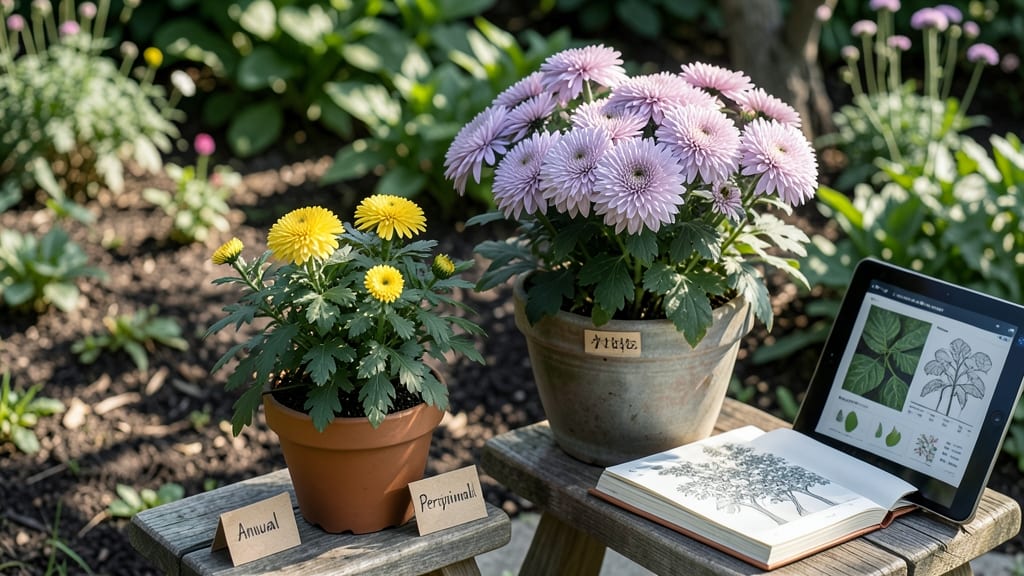
Whether chrysanthemums are annuals or perennials depends entirely on cold hardiness: most garden varieties die back in frost but regrow from roots in warmer zones (USDA 8+), while cold-resistant types like 'Hardy Garden Mums' survive winters as true perennials in colder climates.
This distinction comes down to how well chrysanthemums tolerate freezing temperatures. 🌱 In colder regions (USDA 5-7), even hardy varieties may need winter protection like thick mulch or row covers to survive.
The key difference lies in their root systems—perennial types store enough energy underground to regrow, while annual varieties simply don't have that resilience. I've found that planting in well-draining soil with adequate organic matter significantly improves winter survival rates for borderline hardy varieties.
For gardeners in transitional zones (USDA 7-8), the choice often comes down to variety selection and winter preparation. Some gardeners treat their chrysanthemums as annuals for simplicity, while others take the extra steps to coax perennial growth through strategic planting and protective measures.
💡 In This Article
- How USDA Zones Determine Chrysanthemum Lifespan
- Best Cold-Resistant Chrysanthemum Varieties for Perennial Growth
How USDA zones determine chrysanthemum lifespan
Chrysanthemums' classification as annuals or perennials hinges on their ability to survive freezing temperatures, which is directly tied to USDA hardiness zones. The critical threshold sits at 20°F (-6.7°C)—below this, most garden varieties suffer fatal damage to their above-ground growth.
However, their root systems can withstand colder temperatures, often down to 10°F (-12.2°C) for hardy types, thanks to natural antifreeze proteins that prevent ice crystal formation in cells.
Here's how it works: In zones USDA 9-11, chrysanthemums naturally behave as perennials because temperatures rarely drop below 20°F. The plants enter winter dormancy but their roots remain viable, ready to sprout new growth when temperatures rise.
In contrast, zones USDA 5-8 present a gray area where most commercial varieties die back completely, while specially bred hardy cultivars like 'Hardy Garden Mums' can persist through -15°F (-26°C) with proper care. 🌱 The key difference lies in their carbohydrate storage capacity—perennial types store 30-40% more reserves in their roots than annual varieties.
What most gardeners don't realize is that even in colder climates, chrysanthemums can be coaxed into perennial behavior through strategic planting. The secret lies in selecting varieties with deep root systems that can reach 12-18 inches below the frost line, where temperatures remain more stable.
For example, 'Rubellum' types have been documented surviving -20°F (-29°C) when planted in well-drained soil with a 6-inch layer of organic mulch (like straw or shredded leaves) applied before ground freeze.
Temperature triggers play a crucial role in this classification. Chrysanthemums begin their dormancy cycle when nighttime temperatures consistently drop below 50°F (10°C) for 3-4 weeks. This physiological shift causes the plant to redirect energy from leaf production to root storage.
The most cold-hardy varieties can maintain this dormant state through 100+ days of sub-freezing temperatures, while less resilient types may succumb after just 2-3 weeks of exposure to 25°F (-4°C) or below.
Consider this comparison: A standard garden mum planted in USDA Zone 7 will likely die back completely in winter, requiring replanting each spring. However, the same variety planted in Zone 9 may return year after year from its roots.
The difference isn't just about temperature tolerance—it's about the plant's ability to balance growth and storage throughout its lifecycle. This biological adaptation explains why some gardeners in marginal zones (USDA 7-8) successfully grow chrysanthemums as perennials with winter protection, while others treat them as annuals for simplicity.
For practical application, remember that even hardy varieties need proper winter preparation. This includes cutting back foliage to 2-3 inches above ground in late fall, applying a thick mulch layer, and ensuring good soil drainage.
These measures create a 5-10°F warmer microclimate around the roots, significantly improving survival odds in transitional zones. 💫