
Orchid Care
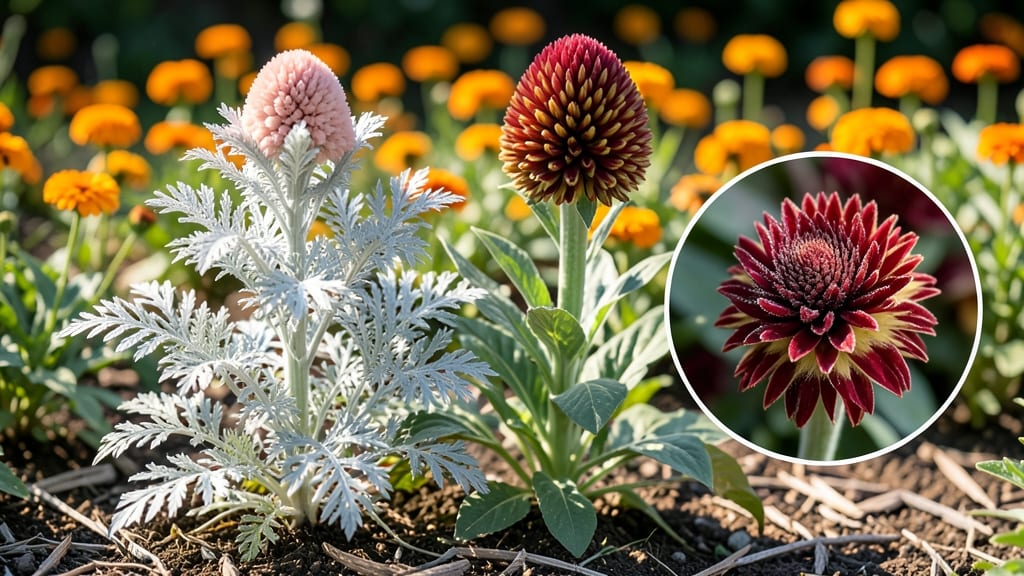
Deciding whether celosia is annual or perennial depends on your climate: it acts as an annual in colder zones because its delicate root system can't withstand freezing, but tropical varieties may return as short-lived perennials in frost-free areas. Freezing temperatures destroy the plant's crown, requiring new growth from seeds each season unless you protect it.
Celosia's behavior as an annual or perennial comes down to its root structure and temperature tolerance.
Unlike hardy perennials, celosia's fibrous roots lack the protective insulation to survive frost, so even a light freeze can kill the plant to the ground. 🌱 In warmer climates like USDA zones 10-11, some varieties might persist year-round, but they're still considered short-lived perennials because they often decline after 2-3 years.
The key difference is that true perennials like salvia regrow from established roots, while celosia must start fresh from seeds each season unless you take special care.
This distinction matters for gardeners planning long-term designs. If you love celosia's vibrant plumes, you'll need to either replant seeds annually or use overwintering strategies like bringing potted plants indoors during cold snaps.
The good news? Many gardeners find that with proper protection, they can extend celosia's lifespan beyond a single season, turning it into a near-perennial in marginal climates.
💡 In This Article
- Why Celosia Dies Back in Cold Climates
- Extending Celosia’s Lifespan with Smart Gardening
Why celosia dies back in cold climates
Celosia's fibrous root system lacks the protective insulation found in true perennials like salvia or coneflowers. When temperatures drop below 32°F, the delicate root crown—where energy reserves are stored—freezes solid, disrupting cellular function.
Unlike hardy perennials that develop thick, woody roots to withstand frost, celosia's roots remain thin and watery, making them vulnerable to ice crystal formation that ruptures cell walls. 🌬️ This cellular damage triggers a cascade effect, cutting off nutrient flow to the plant's foliage within hours.
The death process begins at the root crown and works upward. Within 24-48 hours of a hard freeze (25°F or lower), the plant's vascular system collapses, turning the stems brittle and the leaves mushy.
Even a light frost (30-32°F) can stunt growth by causing dormancy, but only prolonged exposure below 28°F guarantees complete mortality. This explains why celosia thrives as an annual in most temperate zones—it simply can't survive winter's harshest conditions.
Comparing celosia to true perennials reveals the key difference: hardy plants like coneflowers store carbohydrates in thickened root structures that remain viable through winter. Celosia, however, relies on its above-ground foliage for photosynthesis and has no specialized storage organs.
When frost kills the crown, there's nothing left to regenerate—unlike perennials that sprout fresh shoots from protected root systems. 🌱 This biological limitation forces gardeners to treat celosia as an annual unless they implement protective measures.
Interestingly, some tropical celosia varieties (like Celosia argentea 'Silver Feather') exhibit slightly better cold tolerance, withstanding brief dips to 28°F without dying. However, this is still far from true hardiness—most perennials survive down to 10°F or lower.
The confusion arises because these varieties may persist in frost-free microclimates (like coastal zones) where temperatures rarely drop below 30°F, creating the illusion of perennial behavior.
What most gardeners don't realize is that even in mild climates, celosia's lifespan is limited by its reproductive strategy. After 2-3 years, the plant's energy shifts entirely to seed production, weakening its structural integrity.
This biological clock explains why celosia rarely lives beyond one growing season in colder regions—it's not just about frost, but about the plant's inherent growth cycle being interrupted by winter's arrival. 💫