
Orchid Care
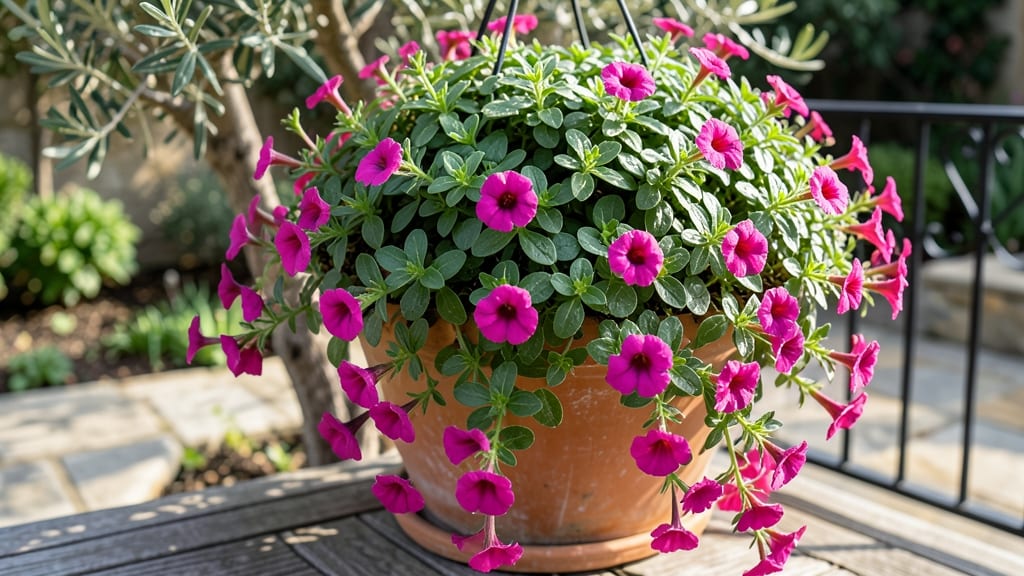
Deciding whether Calibrachoa Superbells are annuals or perennials depends on your climate: they thrive as annuals in frost-prone areas but can act as tender perennials in USDA zones 9-11, where winter temps stay above 30°F. Their shallow root systems make them vulnerable to freezing, so cold protection or replanting is often necessary outside their native range.
Calibrachoa Superbells' survival hinges on their delicate root structure, which lacks the hardiness of true perennials like petunias. 🌱 In warmer zones, their fibrous roots can persist through mild winters, but even a light frost will kill them back to the ground.
That's why gardeners in cooler climates treat them as annuals—starting fresh each spring guarantees vibrant blooms without the risk of winter damage. The key difference lies in their ability to regenerate from established roots when protected from freezing temperatures.
For those in marginal zones (like 8b), overwintering in containers with insulation or mulch can extend their life cycle. Pruning back dead growth in early spring often triggers new growth, giving you a head start on the season.
Just remember: their perennial potential only applies where winter temperatures reliably stay above freezing—otherwise, replanting is the safest bet for consistent color year after year.
💡 In This Article
- Why Calibrachoa Superbells Die in Winter—Root System Science
- Extending Calibrachoa Superbells’ Life Cycle: Growing Tips for Warmer Zones
Why Calibrachoa Superbells die in winter—root system science
The shallow, fibrous root systems of Calibrachoa Superbells are their Achilles' heel when winter arrives. Unlike true perennials such as petunias, which develop deeper, woody roots capable of storing nutrients and surviving freeze-thaw cycles, Superbells rely on a fine, mat-like network just 4-6 inches below the soil surface.
This structure maximizes water and nutrient uptake during the growing season but offers zero insulation against cold. When temperatures drop below 32°F, these delicate roots freeze solid, causing cellular damage that leads to irreversible death. 🌱
What makes this worse is their lack of cold-hardening mechanisms. Plants like impatiens can produce antifreeze proteins or adjust their cell membranes to resist freezing, but Superbells have none of these adaptations.
Their native habitat in South America's temperate regions means they evolved for consistent warmth, not seasonal temperature swings. Even a light frost triggers ice crystal formation in their root cells, rupturing membranes and blocking water transport—effectively starving the plant from within.
Compare this to a true perennial like lavender, whose roots penetrate 2-3 feet deep and contain thickened, moisture-rich tissues that act as natural insulation.
The real kicker? Their above-ground growth habit compounds the problem. Superbells produce lush, trailing foliage that thrives in summer heat but becomes a liability in winter.
This dense growth creates a microclimate trap: warm air gets trapped near the soil surface, while cold air settles at ground level, creating a temperature inversion that accelerates root damage.
In contrast, perennials like salvia often have more open growth patterns that allow cold air to circulate and reduce frost pockets. This is why gardeners in zones 8a and colder often see their Superbells die back to the ground even when daytime temperatures stay mild.
Here's the science behind the survival threshold: Superbells' root cells begin to suffer damage at 28°F, with complete mortality guaranteed below 20°F. Their lack of root reserves means they can't regenerate after even minor frost damage, unlike perennials that might resprout from protected root crowns.
This is why USDA zone 9-11 gardeners can sometimes coax Superbells to return as perennials—their roots occasionally survive brief dips to 30°F if protected by organic mulch or microclimates near buildings. But push that threshold just 5°F lower, and you're back to annual territory.
What most gardeners don't realize is how quickly this process happens. Within 24-48 hours of a hard frost, the root system becomes completely non-functional, even if the plant looks healthy above ground.
The above-ground stems may stay green for weeks as they continue photosynthesizing, but they're essentially rooted in dead tissue. This delayed die-off is why many gardeners mistakenly think Superbells are more cold-tolerant than they actually are—until it's too late to save them. The lesson?
If you're in a marginal zone, act fast to protect roots before the first frost warning.
For those curious about the genetic side, Superbells' annual classification stems from their parent species, Calibrachoa elegans. While some modern hybrids show slightly improved cold tolerance (up to 25°F for short periods), none have developed the true perennial adaptations found in their nightshade relatives like petunias.
This genetic limitation means we're stuck with either treating them as annuals or creating artificial growing conditions to mimic their native climate. Either way, understanding these root system limitations is the first step to making informed growing decisions. ✨