
Plants
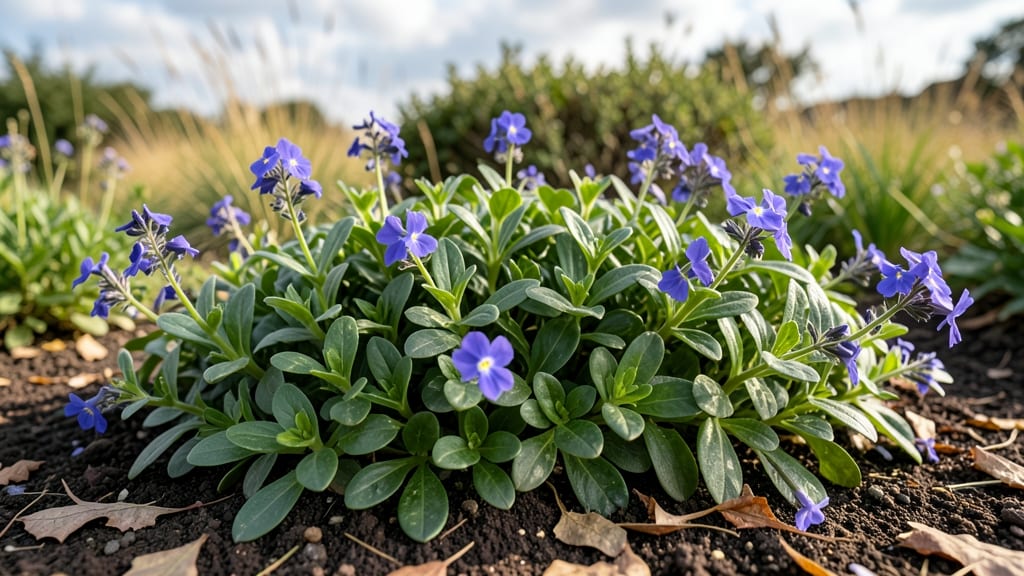
Periwinkles are perennials in mild climates but often treated as annuals in colder zones because they die back during freezing temperatures, then regrow from their roots each spring when temperatures rise. Their cold tolerance varies significantly between varieties and geographic regions.
This dieback-and-regrowth cycle is actually a survival strategy for periwinkles, particularly in USDA Zones 5-7 where winter temperatures drop below 10°F. 🌱 The plants store energy in their fibrous root systems during dormancy, allowing them to bounce back with new growth once temperatures stabilize above 50°F in spring.
Some hardier varieties like Vinca major can survive down to -10°F with proper winter care, while others may need seasonal protection. The key difference between true perennials and tender varieties lies in their root strength and ability to withstand prolonged cold snaps.
For gardeners in colder regions, understanding this cycle means you can plan for seasonal mulching with straw or shredded leaves to insulate the roots, or even overwinter potted periwinkles in unheated garages. Pruning back dead foliage in late winter helps redirect energy to new growth when warm weather returns.
The plant's ability to regenerate makes it an excellent low-maintenance ground cover option, especially when paired with other cold-hardy perennials like creeping thyme or sedum.
💡 In This Article
- Periwinkle Cold Hardiness and Dieback Cycle
- Gardening Tips for Overwintering Periwinkles
Periwinkle cold hardiness and dieback cycle
Periwinkles exhibit a fascinating survival mechanism called dormancy, where their above-ground growth dies back during freezing temperatures while their roots remain alive underground. This process is triggered by prolonged exposure to temperatures below 20°F, which causes the plant to shut down metabolic functions in its stems and leaves.
The roots, however, contain stored carbohydrates and nutrients that act like a biological battery, allowing the plant to regenerate when temperatures rise above 50°F in spring. 🌱 This root system can remain viable for years, even if the foliage freezes repeatedly.
The hardiness of periwinkles varies dramatically between species. Vinca major (greater periwinkle) typically survives down to -10°F with proper winter care, while Vinca minor (lesser periwinkle) may struggle below 0°F without protection.
The key difference lies in their root depth and thickness—hardier varieties develop more extensive, fibrous root networks that can access deeper moisture and nutrients during dormancy. For example, established Vinca major plants can have root systems extending 12-18 inches deep, providing better insulation against cold.
What makes periwinkles unique is their ability to regenerate from just a small portion of living root. Even if 90% of the foliage dies back in winter, the remaining root system can produce new shoots when conditions improve.
This resilience explains why they're often treated as perennials in mild climates (USDA Zones 8+) but as annuals in colder regions (Zones 5-6) where winter protection is needed. The plant's natural growth cycle mirrors that of other cold-hardy perennials like creeping phlox, which also rely on root reserves for survival.
Identifying true perennial periwinkles involves observing their growth patterns. Look for plants that consistently regrow from the same root base each spring, even after severe winter dieback. Tender varieties will typically require annual replanting in cold climates.
Another telltale sign is the plant's maturity—older, well-established periwinkles have thicker stems and more robust root systems, making them better equipped to handle winter conditions. 💫 In garden centers, check labels for specific cold tolerance ratings, as some hybrid varieties may claim enhanced hardiness.
The biological trigger for regrowth is a combination of temperature and daylight. Periwinkles typically break dormancy when daytime temperatures consistently reach 55-60°F combined with increasing daylight hours (12+ hours). This physiological response is similar to how spring bulbs like daffodils emerge—both systems use environmental cues to time their regrowth.
The plant's ability to "wait out" winter makes it an excellent choice for gardeners who want low-maintenance ground cover that can handle seasonal extremes.
Understanding this cycle helps explain why periwinkles often appear "dead" in winter only to bounce back with vibrant new growth. The plant's strategy of storing energy underground rather than in its stems is what gives it this remarkable resilience.
For gardeners in transitional climates (like Zone 7), this means periwinkles can serve as both a summer ground cover and a winter interest plant when their evergreen roots remain visible through mulch.