
How To
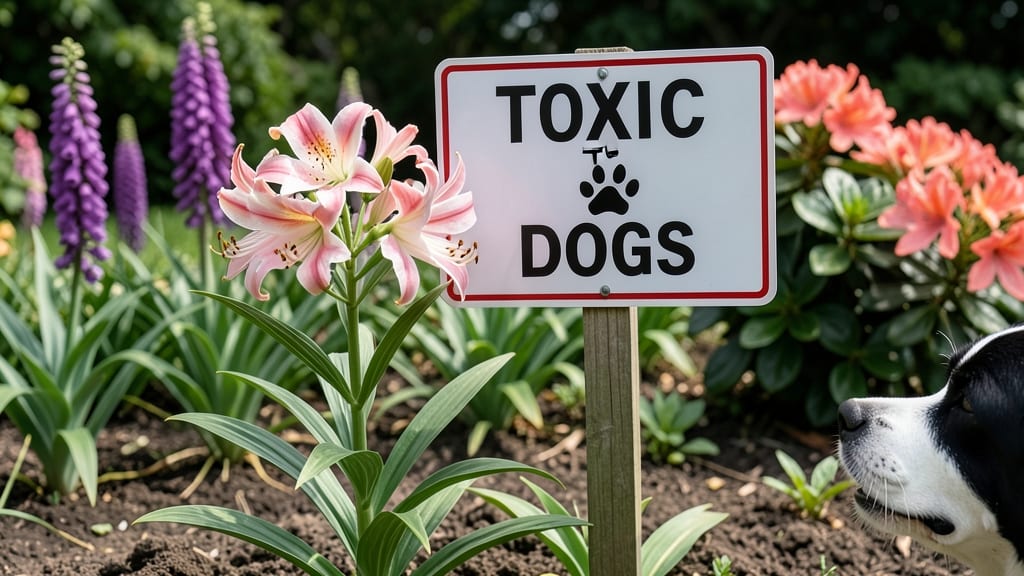
Perennials can indeed be toxic to dogs, with common offenders like lilies, foxglove, and azaleas containing harmful compounds that trigger symptoms ranging from vomiting and drooling to severe organ damage. Always verify plant safety before introducing them to your garden.
Many garden perennials contain natural toxins that can cause serious health issues in dogs. 🌿 The danger lies in compounds like glycosides (found in foxglove) or alkaloids (in azaleas), which disrupt normal bodily functions when ingested.
Even small amounts can lead to gastrointestinal distress or neurological symptoms, so it's crucial to know which plants pose risks. I recommend creating a separate "safe zone" in your yard where dogs can play without exposure to potentially harmful flora.
If you suspect your dog has eaten a toxic plant, contact your vet or the ASPCA Poison Control Center immediately. Symptoms like excessive drooling, lethargy, or seizures require prompt medical attention.
Prevention is key—always supervise your pet around new plants and consider dog-safe alternatives like sunflowers or lavender for your garden.
💡 In This Article
- Toxic Perennials Dogs Should Avoid
- Safe Perennial Alternatives for Dog-Friendly Gardens
Toxic perennials dogs should avoid
The danger for dogs lies in specific chemical compounds found in many flowering perennials.
For example, lilies contain toxic glycosides that can cause kidney failure even in small doses—just a single leaf or petal can trigger vomiting within hours. Foxglove produces cardiac glycosides that disrupt heart rhythms, while azaleas contain grayanotoxins leading to drooling, weakness, and even coma.
These compounds are often concentrated in the plant's leaves and stems, making them particularly hazardous when chewed.
Symptoms appear within 6-12 hours of ingestion and vary by plant type. Daffodils cause drooling, vomiting, and diarrhea due to lycorine alkaloids, while oleander (a shrubby perennial) contains cardiac glycosides that can be fatal within 24-48 hours.
The castor bean plant produces ricin, one of the most potent natural toxins known, which attacks the body's protein synthesis. Even touching some plants (like poison ivy) can cause skin irritation in dogs through direct contact.
What makes this particularly concerning is how attractive these plants often are to dogs. The bright colors of tulips (which contain tulipalin) or the sweet scent of hyacinths (amygdalin compounds) can entice curious pets to investigate.
The texture of many perennials—soft leaves or delicate petals—makes them tempting to chew, especially for puppies exploring their environment. This is why visual identification isn't enough; understanding the chemical mechanisms behind the toxicity is crucial for prevention.
Here's how these toxins affect dogs' systems:
- Gastrointestinal distress: Most plants cause vomiting and diarrhea as the body's initial defense mechanism against foreign compounds
- Neurological symptoms: Alkaloids like those in delphiniums can cause tremors, seizures, or even coma by disrupting nerve signals
- Organ damage: Kidney failure from lilies occurs when toxic metabolites build up in the bloodstream, requiring immediate veterinary intervention
The severity depends on several factors: the dog's size (a 10-pound Chihuahua would be more affected than a 70-pound Labrador by the same amount of plant material), the specific plant consumed, and how much was ingested.
For instance, while a single lily petal might make a large dog sick, it could be fatal to a small breed. The ASPCA reports that 1 in 5 plant exposures they handle involve perennials, making them one of the most common garden hazards for pets.
What most pet owners don't realize is that toxicity isn't always immediate. Some plants like oleander have a delayed onset of symptoms, which can be dangerous if owners don't recognize the connection between the plant and their dog's sudden illness.
This is why maintaining a detailed plant inventory and knowing the specific dangers of each perennial in your garden is essential for creating a safe environment.