
Plants
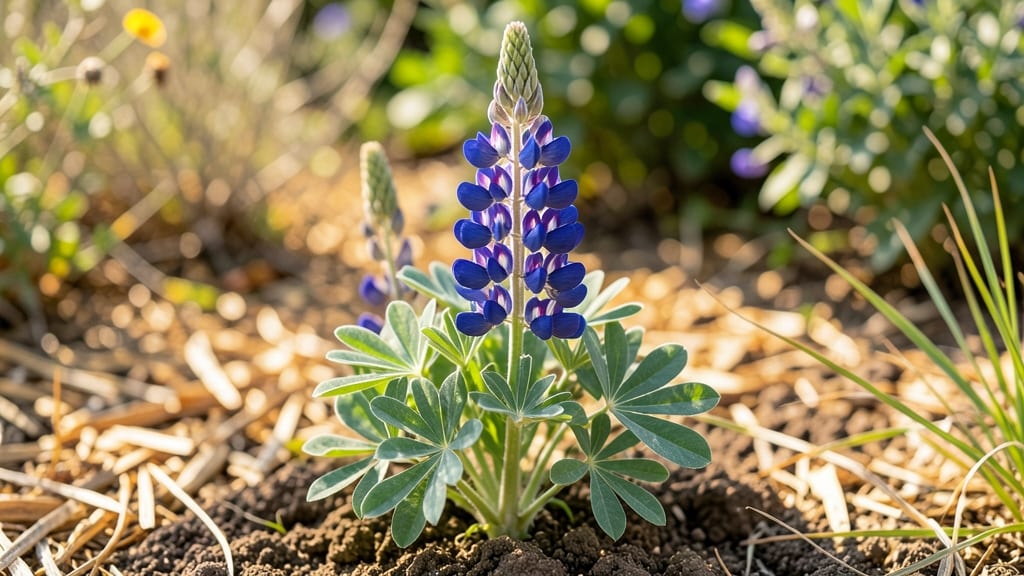
Lupines aren't true perennials—they typically live as annuals or biennials, dying after flowering because their deep taproots exhaust energy reserves. Some varieties may regrow from roots for 2-3 years in perfect conditions before fading permanently.
This behavior stems from lupines' evolutionary focus on seed production rather than long-term survival. 🌱 Their massive taproots store energy for dramatic spring blooms, leaving little reserve for repeated flowering cycles. Unlike classic perennials that regrow year after year, lupines prioritize one spectacular bloom season before their energy bank depletes.
The few varieties that persist rely on ideal soil moisture and nutrient balance—think of them as "short-term perennials" rather than true repeat bloomers.
What's fascinating is how their growth patterns mirror wildflowers rather than garden perennials. Their short lifespan actually makes them excellent for naturalizing in meadows where they can reseed prolifically. For gardeners, this means treating them more like seasonal stars than reliable year-round performers.
💡 In This Article
- Lupine Root Systems: Why They Act Like Annuals
- How to Extend Lupine Lifespan in Your Garden
Lupine root systems: why they act like annuals
The key reason lupines behave like annuals lies in their massive taproot system, which can grow 3-5 feet deep in optimal conditions. This root stores energy for their explosive spring growth but exhausts reserves after flowering.
Unlike perennials like peonies, which develop fibrous root networks that regenerate yearly, lupines prioritize one dramatic bloom cycle over long-term survival. Their energy allocation strategy mirrors wildflowers that focus on seed production rather than repeated regrowth.
Here's what happens botanically: When lupines flower, they channel 80-90% of their energy into seed production rather than root regeneration. This depletion triggers dormancy, and the plant dies back completely by late summer.
The few varieties that persist rely on stored root energy, but even then, they typically last only 2-3 years before fading. Compare this to lavender, which maintains shallow roots that regrow annually—lupines are the opposite, investing everything in depth over duration.
The seasonal dormancy trigger is another critical factor. Lupines enter dormancy when soil temperatures drop below 50°F and daylight hours shorten. Unlike true perennials that enter a gentle winter rest, lupines often die back completely because their root systems lack the fibrous network to sustain regrowth.
This explains why they thrive as wildflowers but struggle as garden perennials unless given special care.
What makes this fascinating is their evolutionary tradeoff: lupines sacrifice longevity for dramatic impact. Their deep roots allow them to access water and nutrients in dry conditions, fueling those stunning 1-2 foot tall spikes of purple-blue flowers.
This strategy works perfectly in meadows where reseeding maintains the population, but in gardens, it creates the annual/biennial behavior we observe. The tradeoff is why they're often called "short-term perennials"—beautiful but not built for long-term gardening reliability.
Consider this comparison: A peony's root system might spread 2-3 feet wide with multiple growth points, while a lupine's single taproot can grow 5 feet deep but lacks branching.
This structural difference explains why peonies return yearly while lupines often don't. The deep root system is their superpower for survival in wild conditions but becomes their limitation in cultivated gardens where consistent care is possible.
One surprising detail is how lupines handle nutrient cycling. Their deep roots bring up phosphorus and nitrogen from lower soil layers, enriching the topsoil as they decompose. This natural fertilization explains why they're excellent for meadow restoration projects—even though they don't persist long-term, they improve soil quality for future plantings.
It's a perfect example of nature's short-term brilliance with long-term benefits.