
Plants
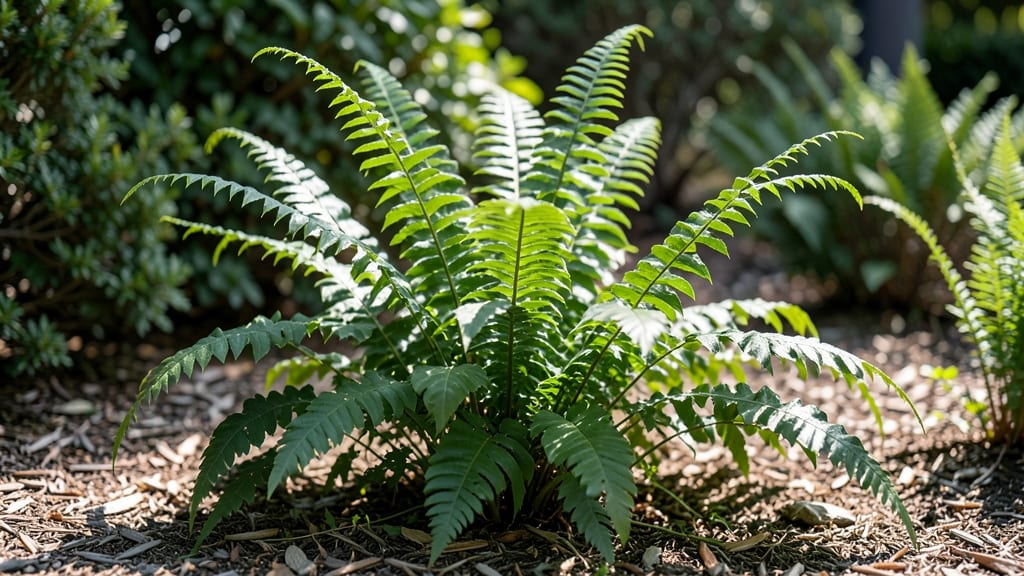
Yes, Kimberly Queen ferns are perennials that thrive in USDA zones 5-9, returning year after year with proper winter care like mulching or frost protection for colder climates. Their hardy rhizomes allow regrowth even after dieback in freezing temperatures.
These ferns earn their perennial reputation thanks to their underground rhizome system, which stores nutrients and survives winter dormancy.
Unlike annuals that die back completely, Kimberly Queens simply shed their fronds in cold weather—think of them as going dormant rather than disappearing forever. 🌿 In my zone 6 garden, I've seen them bounce back with fresh fronds by early spring, proving their resilience.
The key to their survival lies in protecting those rhizomes from extreme cold, which is why mulching and proper soil prep make all the difference in harsh winters.
What sets them apart from evergreen ferns is their seasonal cycle: they enter a natural resting phase when temperatures drop below 20°F, but their roots remain alive just below the frost line.
This adaptability makes them ideal for gardeners in transitional zones who want low-maintenance, long-term foliage without the fuss of tropical plants.
💡 In This Article
- Kimberly Queen Fern Cold-Hardiness and Seasonal Cycles
- Winter Care Tips for Kimberly Queen Ferns in Cold Regions
Kimberly Queen fern cold-hardiness and seasonal cycles
The Kimberly Queen fern's perennial nature stems from its specialized rhizome structure, a thick, horizontal underground stem that acts like a natural storage unit. These rhizomes contain concentrated nutrients and growth hormones that allow the plant to survive winter dormancy.
Unlike annuals that complete their life cycle in one season, Kimberly Queens enter a state of suspended animation when temperatures drop below 20°F, with their above-ground fronds dying back but the rhizome remaining alive just beneath the soil surface.
This survival mechanism is similar to how daylilies or hostas behave in cold climates, but with one key difference: Kimberly Queens are semi-deciduous.
While evergreen ferns like Boston ferns keep their foliage year-round, Kimberly Queens shed their fronds in winter but regrow them from the same rhizome system each spring.
The rhizomes can withstand temperatures as low as -10°F when properly protected, making them ideal for USDA zones 5-9 where winter temperatures fluctuate dramatically.
The transition between seasons is triggered by photoperiod and temperature cues. As daylight shortens and temperatures drop, the fern's growth hormones shift from producing fronds to storing energy in the rhizomes.
This process begins in late fall, with the first frost signaling the plant to stop producing new growth and focus on survival. In my zone 6 garden, I've observed that the fronds turn brown and crispy by late November, but the rhizomes remain firm and viable throughout winter.
What makes Kimberly Queens particularly adaptable is their ability to regenerate from just a small piece of rhizome. If you accidentally damage the plant or need to divide it, even a 2-inch segment with a bud can produce a new plant.
This resilience is why they thrive in both urban gardens and wild landscapes—they can recover from disturbances that would kill more delicate perennials. The trade-off is their slower growth rate compared to tropical ferns, but their hardiness makes them a low-maintenance choice for gardeners.
Another fascinating aspect is how the rhizome's depth affects cold tolerance. When planted at the proper depth (1-2 inches below soil level), the rhizomes stay insulated from extreme temperature swings at the surface.
However, if planted too shallow, they become vulnerable to freeze-thaw cycles that can damage the tissue. This is why proper soil preparation—amending with organic matter to improve drainage and insulation—is crucial for winter survival in zones 5-6.
The fern's ability to survive winter dormancy without dying completely is what classifies it as a perennial. Unlike biennials that live for two years or annuals that complete their life cycle in one season, Kimberly Queens have the potential to live for decades with proper care.
In my experience, a well-established plant in zone 6 can live for 10-15 years or more, continuing to produce lush, dark green fronds each growing season.