
Plants
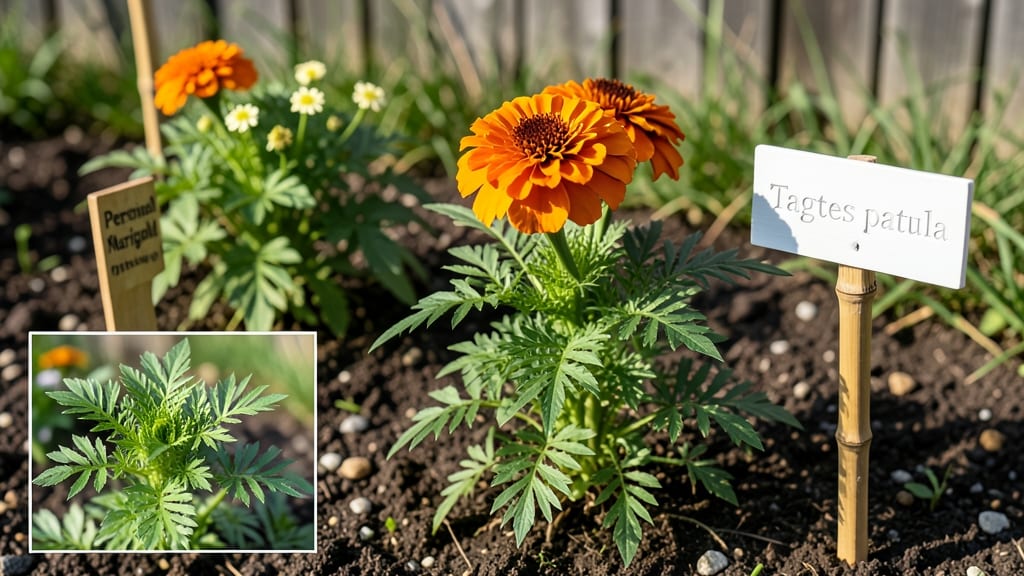
French marigolds are not true perennials in most climates, dying back to the ground each winter in zones below 10. They regrow from roots in spring if protected, but cold snaps often kill them. For year-round growth, treat them as annuals or grow in containers for overwintering indoors.
French marigolds behave like seasonal perennials—they survive winter in warmer zones (9-10) by storing energy in their roots, then sending up new growth when temperatures rise.
The challenge lies in frost timing: even a light freeze can damage foliage, while prolonged cold kills the roots. 🌱 In colder regions, gardeners often treat them as annuals, replanting seeds each spring for vibrant summer blooms.
Their resilience makes them popular despite this limitation, as they bounce back quickly with proper care.
What sets French marigolds apart is their root hardiness—they can regenerate from even small root fragments, which is why many gardeners save root cuttings over winter. This trait makes them easier to propagate than true perennials, though it doesn't guarantee survival through harsh winters.
For those in colder climates, container growing offers the best chance to preserve them year-round, as pots can be moved to protected spaces during frost.
💡 In This Article
- French Marigold Cold-Hardiness and Growth Zones Explained
- Tips to Extend French Marigold Season Beyond One Year
French marigold cold-hardiness and growth zones explained
French marigolds thrive as seasonal perennials only in USDA zones 9-10, where winter temperatures rarely drop below 20°F. Their survival hinges on root hardiness—they store carbohydrates in fleshy taproots during dormancy, similar to sweet potatoes, which fuels regrowth when soil temperatures reach 55°F in spring.
The key difference from true perennials is their foliage sensitivity: even light frost (32°F) causes top-kill, but roots often survive if protected by mulch or snow cover.
In colder zones (8 or below), French marigolds behave like annuals because prolonged exposure to 15°F or lower kills the root system. This threshold explains why gardeners in zone 7 might see regrowth one year but not the next—it depends on winter severity.
For example, a 25°F freeze might blacken foliage but leave roots viable, while 10°F temperatures typically result in complete die-off. 🌡️ The timing of frost matters too: early autumn freezes allow roots to establish energy reserves, while late-season cold snaps catch them unprepared.
What makes French marigolds unique is their regeneration ability—even small root fragments (1-inch pieces) can sprout new plants when replanted. This trait comes from their adaptive survival strategy: native to Mexico and Central America, they evolved in regions with unpredictable frost patterns.
Compare this to true perennials like hostas, which develop extensive rhizomes for winter protection. French marigolds lack this infrastructure, making them more vulnerable to climate fluctuations.
Gardeners can extend their growing season by understanding these thresholds. For instance, in zone 8, applying 4-6 inches of straw mulch in late fall can raise soil temperatures by 5-10°F, protecting roots during brief cold spells.
The trade-off is that mulch must be removed in early spring to prevent rot before regrowth begins. This balance between protection and timing is what separates successful overwintering from failure.
Consider this real-world example: A gardener in zone 9 might leave French marigolds in the ground year-round, while one in zone 7 would dig up roots in fall, store them in 40°F sand, and replant in spring.
The same species behaves differently based solely on microclimate—this adaptability is why French marigolds remain popular despite their non-perennial status. Their bright blooms and pest-repellent properties make the effort worthwhile for many gardeners.
For those in marginal zones (8-9), the 30-day rule applies: if winter lasts 30 days below 32°F, roots typically survive. Beyond that duration, even protected plants may fail to regrow.
This scientific threshold helps gardeners make informed decisions about whether to invest in overwintering efforts or treat plants as annuals. 🌱