
Plants
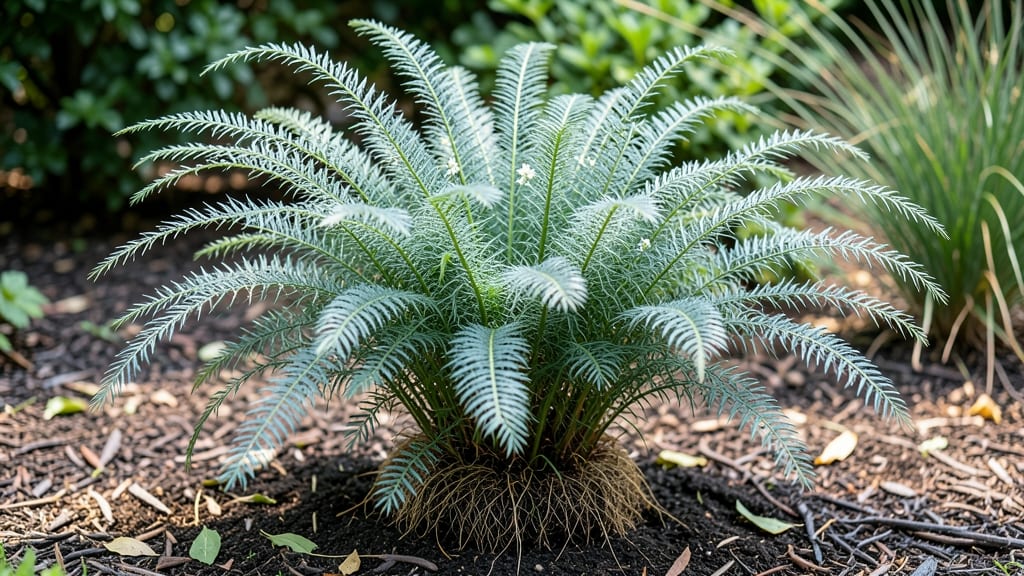
Yes, foxtail ferns are perennial plants that regrow each season from their underground rhizomes, thriving in USDA zones 7-11 but requiring winter protection in colder climates. Their hardy root systems allow them to survive frost when properly mulched or overwintered indoors.
Foxtail ferns earn their perennial status thanks to their rhizomatous root systems, which act like underground storage units. These fibrous roots spread horizontally, storing nutrients and moisture to fuel regrowth each spring.
Unlike annuals that die back completely, foxtail ferns simply go dormant in winter—emerging stronger once temperatures rise. 🌱 The key to their resilience lies in this network of roots, which can regenerate even if the foliage freezes back.
This makes them ideal for gardeners who want long-term greenery with minimal replanting.
Their hardiness extends beyond just regrowth—these plants adapt well to different conditions once established. In colder zones, the secret to survival lies in protecting that root system. A thick layer of mulch (3-4 inches) acts like a blanket, insulating the roots from temperature swings.
For container-grown plants, bringing them indoors before the first frost prevents root damage entirely. The trade-off? A little extra effort in fall pays off with vibrant new growth come spring.
💡 In This Article
- Foxtail Fern Root Systems: Why They Regrow Year After Year
- Winter Care for Foxtail Ferns in Cold Climates
Foxtail fern root systems: why they regrow year after year
The secret behind foxtail ferns' perennial nature lies in their specialized rhizomatous root system, which functions like a botanical battery. Unlike annuals that complete their life cycle in one season, these ferns develop thick, horizontal underground stems called rhizomes that store carbohydrates and nutrients.
These rhizomes can grow up to 12 inches deep and spread several feet wide, creating a dense network that regenerates foliage each spring. 🌱 The fibrous roots attached to these rhizomes absorb moisture and minerals year-round, ensuring the plant has energy reserves even during dormancy.
This root structure also gives foxtail ferns their signature resilience. When temperatures drop below 20°F, the above-ground foliage may brown and die back, but the rhizomes remain protected underground. The stored nutrients fuel new growth as soon as soil temperatures reach 50°F in spring.
This is why you'll often see foxtail ferns emerging before many other perennials—their root systems are already primed for action. The comparison to annuals is striking: while a tomato plant would need to be replanted every year, a foxtail fern's rhizomes can persist for decades with proper care.
The real magic happens in how these rhizomes branch. Each node along the rhizome has the potential to produce new shoots, creating a self-sustaining system. When you divide established plants, you're essentially separating these growth points—each section can become its own thriving plant.
This makes propagation effortless compared to plants that rely on seeds or cuttings. The trade-off? Their aggressive root spread means they can become invasive in garden beds if not contained. 🌿
Scientifically, this growth pattern is called clonal propagation, where genetically identical plants grow from the parent rhizome. This explains why foxtail ferns often form dense colonies in the wild. The root system's ability to regenerate even from small fragments (as little as 2-inch pieces) makes them exceptionally hardy.
This is why gardeners in zones 7-11 can often leave them unprotected—the rhizomes will survive temperatures down to -5°F with proper mulching.
What most gardeners don't realize is how this root system affects water needs. The extensive rhizome network allows foxtail ferns to access moisture from deeper soil layers, making them more drought-tolerant once established.
In my experience, a well-mulched foxtail fern can go 3-4 weeks without supplemental watering during summer heatwaves—a significant advantage over many ornamental perennials. The key is that their roots continue growing throughout the season, creating new storage capacity for future regrowth.