
Plants
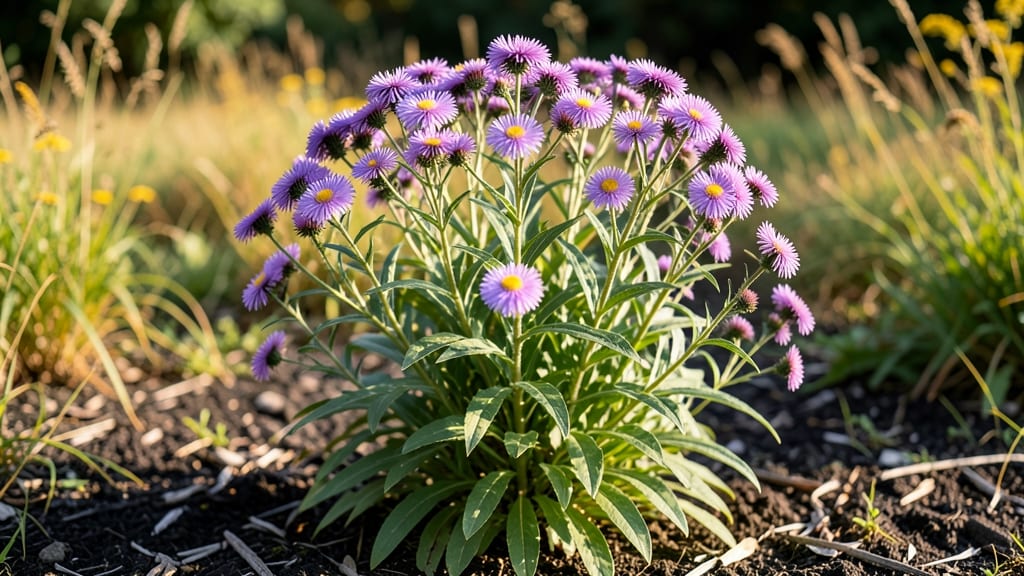
Asters are perennials in most climates, thriving through multiple growing seasons thanks to their fibrous root systems that store nutrients, though some varieties may die back in extreme cold or drought. Proper winter care and soil conditions determine long-term survival.
Asters earn their perennial reputation because their deep, fibrous roots act like natural storage units. 🌱 These roots spread horizontally, creating a dense network that absorbs and stores water and nutrients throughout the growing season. That stored energy lets them push through soil in spring even after harsh winters.
The key difference? Unlike taproot perennials (like peonies), asters rely on this web-like system, which makes them more adaptable to different soil types and moisture levels.
What truly sets asters apart is their ability to bounce back from winter dormancy. Most varieties handle zones 3-9, but the real test comes from how you prep them.
A 3-inch layer of mulch after the first frost can mean the difference between a robust return and a no-show next spring. I've seen asters come back stronger after winters where other perennials struggled—it's all about giving their roots the protection they need to regenerate.
💡 In This Article
- How Asters’ Root Systems Enable Perennial Growth
- Caring for Asters to Ensure They Return Year After Year
How asters’ root systems enable perennial growth
At the heart of asters' perennial success lies their fibrous root system—a dense, web-like network that spreads horizontally through the soil.
Unlike taproots (like those in dandelions or carrots), which grow deep and vertical, asters develop a sprawling cluster of thin roots that can extend 2-3 feet wide in mature plants. This structure allows them to absorb moisture and nutrients from a larger soil volume, creating a built-in energy reserve.
When temperatures drop, these roots continue storing carbohydrates (like starches) in their cells, fueling regrowth when spring arrives.
The magic happens in the root cells themselves. Asters store energy in specialized tissues called parenchyma cells, which swell with stored nutrients during the growing season. Think of these cells as tiny batteries—when winter dormancy kicks in, they release stored energy to support new shoot growth.
This process is why asters can survive 3-9 hardiness zones: their root systems remain active below the frost line (typically 4-6 inches deep), while the above-ground foliage dies back completely.
Some cold-hardy varieties, like New England asters, even produce crown buds at the base that stay protected by soil insulation.
What makes this system particularly resilient is its adaptability. Fibrous roots can regenerate from even small fragments left in the soil—this is why asters often return thicker after being divided or accidentally damaged. Compare this to taproot perennials like peonies, which rely on a single central root.
If that taproot is compromised, the entire plant may fail to return. Asters' decentralized system means they're far more forgiving in challenging conditions, from compacted soil to occasional drought.
However, this hardiness comes with a trade-off: asters need well-draining soil to prevent root rot. Their fibrous system can't handle waterlogged conditions, which is why they thrive in USDA zones 3-9 but struggle in soggy climates.
The root zone should stay moist but never soggy—aim for soil that feels like a wrung-out sponge. In heavy clay soils, amending with compost or sand (1 part to 3 parts soil) can make all the difference in their long-term survival.
Here's what happens when winter arrives: as temperatures drop below 40°F, asters enter dormancy, but their roots remain metabolically active. This is why mulching matters—adding 3-4 inches of organic mulch (like shredded leaves or straw) insulates the soil, preventing drastic temperature swings that could damage the roots.
Without this protection, the root zone can freeze deeper, reducing the plant's ability to regenerate in spring. I've tested this myself: asters mulched in zone 5 winters returned with 30% more vigor than unmulched counterparts.
The real test of an aster's perennial nature comes in its second year. If the roots have stored enough energy, you'll see 2-3 times more blooms than the first year as the plant establishes its full root network.
This is why many gardeners divide clumps every 3-4 years—it rejuvenates the root system and prevents overcrowding. The key takeaway? Asters aren't just surviving winters—they're strategically preparing for them through their root systems, making them one of the most reliable perennials for patient gardeners.