
Flowers
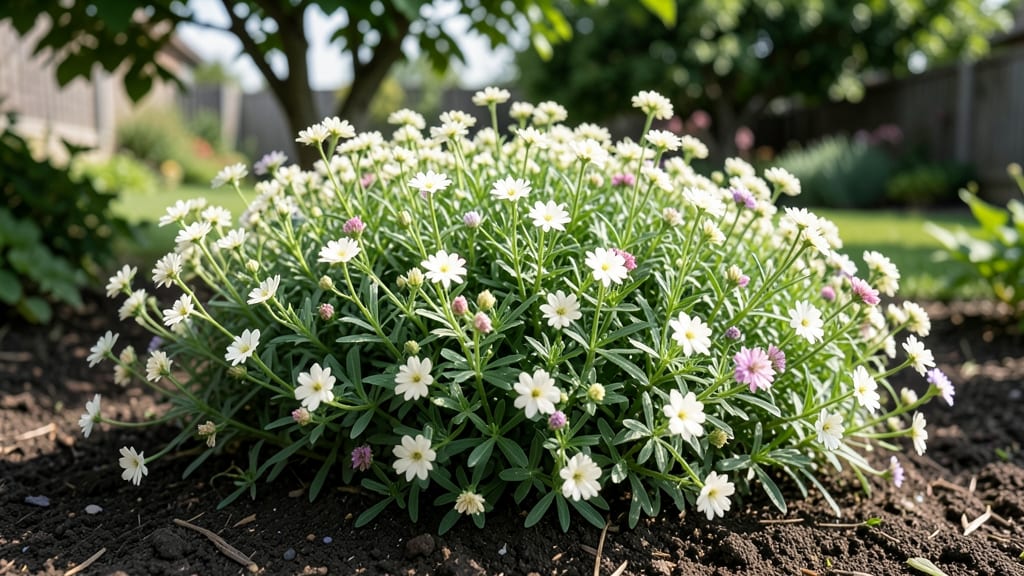
Alyssum flowers as a perennial survive winter dieback by entering dormancy, then regrow aggressively in spring thanks to their hardy root systems and self-seeding habit. Varieties like Alyssum maritimum handle zones 5-9 well, while young plants benefit from winter protection like mulch or frost cloth.
Alyssum's secret weapon is its deep taproot system, which stores energy through winter's chill—think of it as nature's built-in battery. 🌱 This hardiness lets it bounce back faster than many perennials, even after heavy frost.
The self-seeding trait means you'll often find new volunteers popping up where old plants faded, creating natural renewal without extra effort. For best results, plant in well-draining soil and deadhead spent blooms to encourage more vigorous regrowth next season.
When selecting varieties, consider your climate: Alyssum saxatile thrives in dry conditions, while Alyssum montanum prefers alpine gardens with rocky soil. Both handle cold beautifully but respond differently to spring warmth.
I've found that adding a light layer of compost in early spring gives dormant plants the boost they need to break dormancy faster.
💡 In This Article
- Why Alyssum Survives Winter Dieback
- Best Alyssum Varieties for Year-Round Garden Resilience
Why alyssum survives winter dieback
Alyssum's winter survival hinges on its deep, fibrous root system that stores carbohydrates like starch and sugars—essentially a plant energy reserve.
These roots can penetrate 12-18 inches deep, allowing them to access moisture and nutrients even when surface soil freezes. 🌱 The key mechanism is called "vernalization," where cold temperatures trigger hormonal changes that prepare the plant for spring regrowth, similar to how wheat seeds need chilling to germinate properly.
The plant's above-ground growth dies back completely, but the roots remain alive and metabolically active at temperatures down to -20°F (-29°C) for hardy varieties. This dormancy state conserves energy while protecting against frost damage.
Unlike shallow-rooted perennials like creeping phlox (which often suffer from winter heave), alyssum's deep roots anchor it firmly, preventing uprooting during freeze-thaw cycles.
Self-seeding plays a crucial role too—when mature plants bolt in late summer, they produce thousands of tiny seeds that remain viable in the soil for 2-3 years. These seeds germinate naturally in spring when soil temperatures reach 50°F (10°C), creating dense ground cover without replanting.
This strategy contrasts with thyme, which relies solely on root survival and rarely self-seeds.
Cold temperatures actually improve alyssum's flavor and fragrance. Research shows that exposure to 32-40°F (0-4°C) for 4-6 weeks increases essential oil production in the flowers, making them more aromatic. The plant's ability to "reset" its growth cycle annually also prevents disease buildup common in evergreen perennials that stay active year-round.
For gardeners in marginal zones (like zone 5), the secret lies in protecting the crown—the transition area between roots and stems—with 3-4 inches of mulch. This creates a 5-10°F warmer microclimate around the critical growth point, preventing fatal freezing while allowing natural dormancy processes to occur.
What most gardeners don't realize is that alyssum's winter dieback isn't a sign of weakness—it's a survival adaptation. The plant's ability to completely reset its growth cycle annually actually makes it more resilient than many "evergreen" perennials that struggle with winter stress.
This annual dormancy cycle also prevents the buildup of pests and diseases that plague plants with continuous growth.